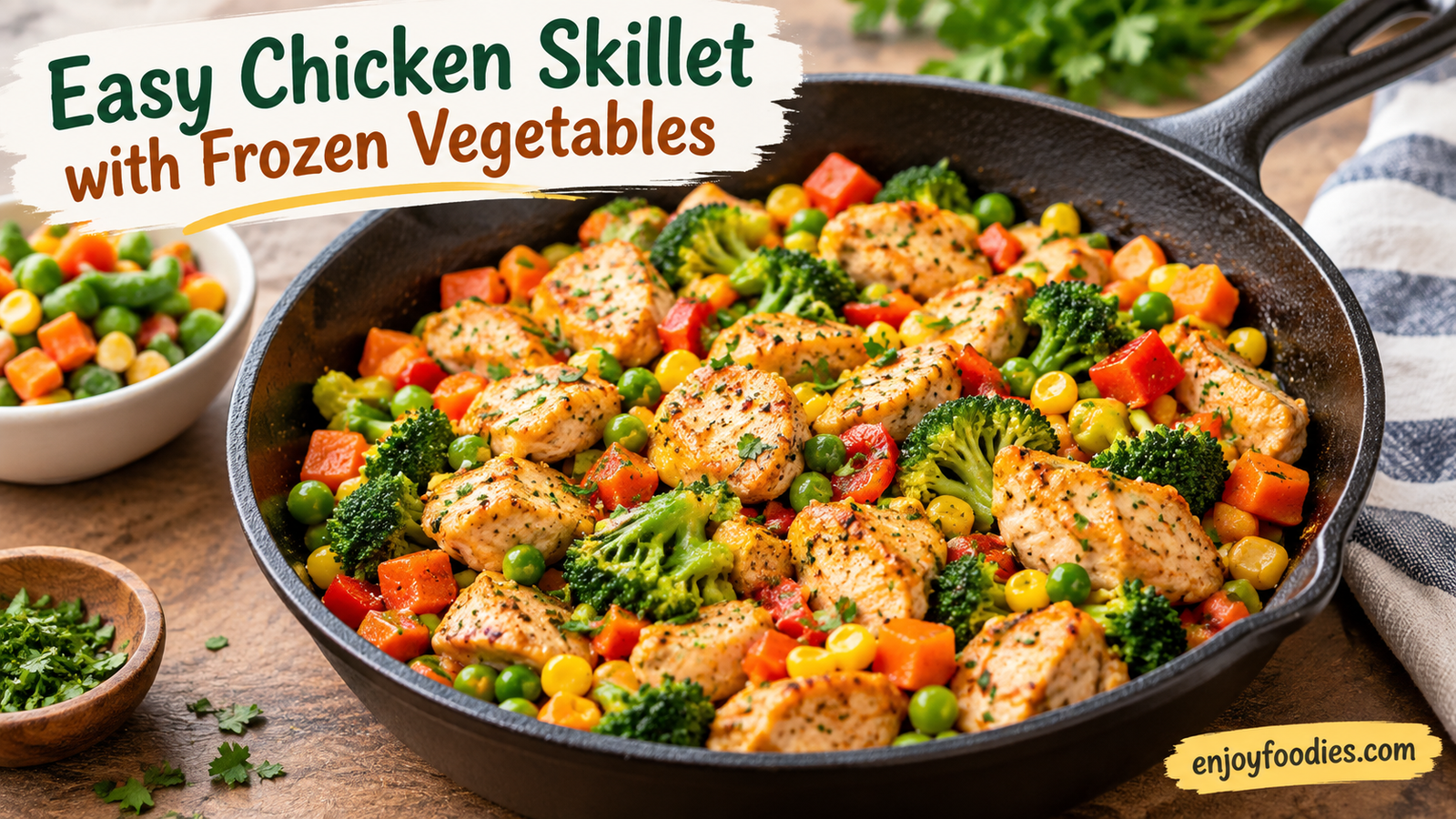
Easy Chicken Skillet with Frozen Vegetables
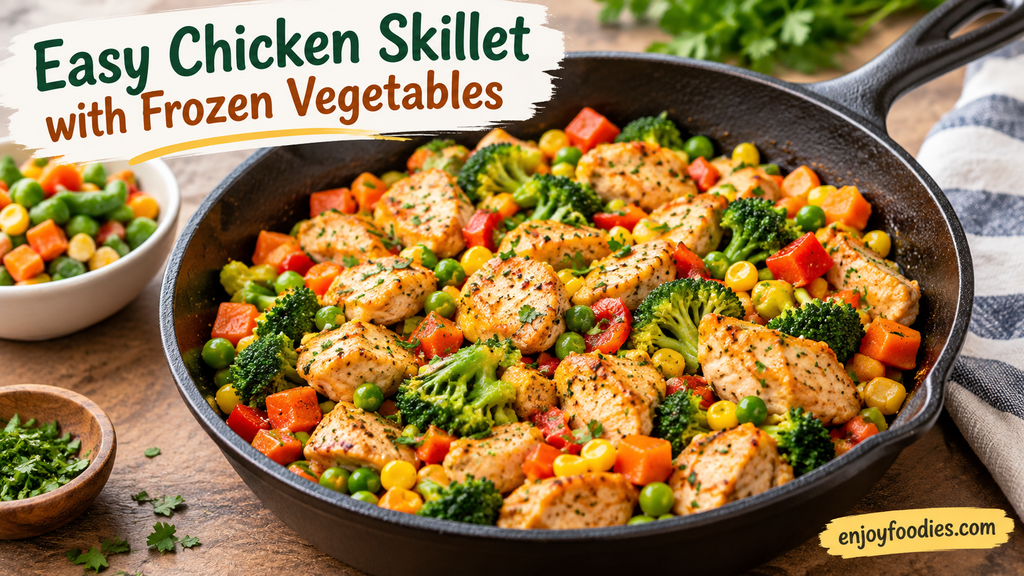
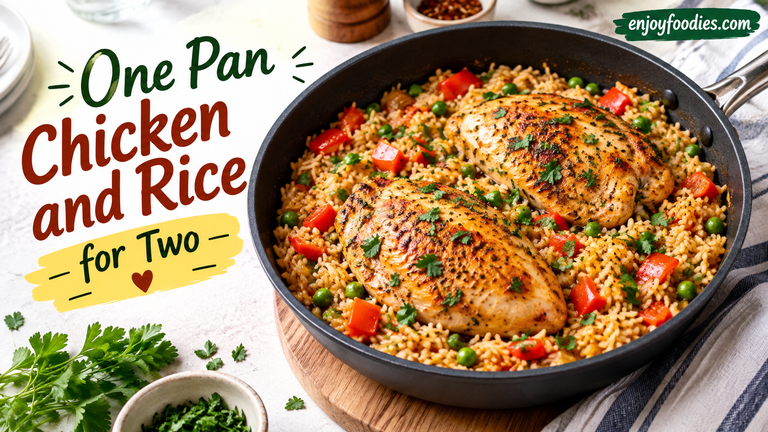
If you need a quick, comforting dinner that doesn’t require a lot of planning, this easy chicken skillet with frozen vegetables is a recipe worth keeping in your regular rotation. It uses simple ingredients, cooks in one pan, and turns basic chicken and frozen vegetables into a flavorful meal that feels homemade without spending hours in the kitchen.
Frozen vegetables are especially useful for busy weeknights because there is no washing, peeling, or chopping required. Add tender pieces of chicken, a few everyday seasonings, and a simple skillet sauce, and dinner can be on the table in about 30 minutes.
This chicken skillet is also flexible. You can use the frozen vegetables you already have, swap chicken breast for chicken thighs, adjust the seasoning to your taste, or serve the finished dish over rice, noodles, or mashed potatoes.
Why You’ll Love This Easy Chicken Skillet
There are plenty of reasons to make this easy chicken skillet with frozen vegetables when you need dinner quickly.
First, everything cooks in one skillet. That means fewer dishes to wash after dinner. The chicken gets browned directly in the pan, which creates extra flavor, while the vegetables cook in the same skillet and absorb some of those delicious savory juices.
Another advantage is convenience. Frozen vegetables are already prepared, so you can skip most of the vegetable prep. A bag of mixed vegetables, broccoli, green beans, peas, carrots, or corn can all work well.
The recipe is also budget-friendly. Chicken and frozen vegetables are inexpensive staples, and you don’t need specialty ingredients to make the dish taste good.
Most importantly, this recipe is easy to customize. You can make it creamy, spicy, garlicky, or more savory depending on what your family enjoys.
Ingredients You’ll Need
The ingredient list for this easy chicken skillet with frozen vegetables is simple.
Chicken
Boneless, skinless chicken breast works particularly well because it cooks quickly. Cut the chicken into small, evenly sized pieces so it cooks at the same rate.
Chicken thighs are another excellent option. They contain a little more fat and tend to remain juicy, even if they cook slightly longer.
Frozen Vegetables
Use approximately 3 cups of your favorite frozen vegetables. A classic mixed vegetable blend containing peas, carrots, corn, and green beans is an easy choice.
You can also use:
- Frozen broccoli
- Frozen cauliflower
- Frozen peas
- Frozen green beans
- Frozen carrots
- Frozen corn
- Frozen stir-fry vegetables
- A combination of several frozen vegetables
There is no need to thaw the vegetables first.
Oil
A little olive oil or another cooking oil helps brown the chicken and prevents sticking.
Garlic
Fresh minced garlic adds plenty of flavor. If you don’t have fresh garlic, garlic powder can be used instead.
Seasonings
Keep the seasoning simple with salt, black pepper, paprika, garlic powder, and onion powder. You can also add Italian seasoning, dried parsley, chili flakes, or your favorite all-purpose seasoning.
Chicken Broth
A small amount of chicken broth helps create a flavorful skillet sauce. You can substitute water plus a little extra seasoning if necessary.
Butter
A small amount of butter stirred in near the end gives the sauce a richer flavor and smoother texture.
Optional Sauce Ingredients
For a creamier skillet, add a splash of heavy cream or half-and-half. A little cream cheese can also create a thick, creamy sauce.
For a lighter, savory version, use chicken broth with a teaspoon of cornstarch mixed with water to create a simple thickened sauce.
How to Make Easy Chicken Skillet with Frozen Vegetables
1. Prepare the Chicken
Cut the chicken into bite-sized pieces. Try to keep the pieces roughly the same size because this helps them cook evenly.
Place the chicken in a bowl and season it with salt, black pepper, paprika, garlic powder, and onion powder.
You don’t need to marinate the chicken. The seasoning goes directly into the skillet and builds flavor as the chicken browns.
2. Brown the Chicken
Heat a large skillet over medium-high heat and add the oil.
Once the oil is hot, add the seasoned chicken in a single layer. Avoid overcrowding the skillet because too much chicken at once can cause it to steam instead of brown.
Cook for several minutes, stirring occasionally, until the chicken is golden on the outside and cooked through.
Transfer the chicken to a plate and set it aside.
3. Cook the Frozen Vegetables
Add the frozen vegetables directly to the same skillet.
You may notice some moisture coming from the vegetables as they heat. That’s normal. Cook them for several minutes, stirring occasionally, until they are heated through and beginning to become tender.
If you are using larger vegetables such as broccoli or cauliflower, you may need a few additional minutes.
4. Add Garlic and Seasoning
Add minced garlic to the vegetables and cook for about 30 seconds.
Be careful not to burn the garlic. You only need enough time for it to become fragrant.
At this point, you can taste the vegetables and add additional salt, pepper, paprika, or Italian seasoning if needed.
5. Make the Skillet Sauce
Pour chicken broth into the skillet and scrape the bottom gently with a wooden spoon.
Those browned bits left behind by the chicken are full of flavor, so don’t throw them away.
For a thicker sauce, combine about 1 teaspoon of cornstarch with 1 tablespoon of cold water. Stir until smooth, then add the mixture to the skillet.
Let everything simmer for a couple of minutes until the sauce begins to thicken.
6. Return the Chicken
Add the cooked chicken back to the skillet and stir everything together.
Cook for another minute or two so the chicken can warm through and the flavors can combine.
Finish with a small amount of butter and fresh parsley if desired.
Your easy chicken skillet is ready to serve.
How to Keep the Chicken Tender
One of the biggest concerns when making skillet chicken is ending up with dry meat. Fortunately, a few simple techniques can make a big difference.
Don’t cut the chicken into extremely tiny pieces. Bite-sized pieces are ideal because they cook quickly without becoming dry as easily.
Also, don’t cook the chicken for much longer than necessary. Once the chicken reaches a safe internal temperature, remove it from the skillet.
Cooking the chicken separately before adding it back later is another useful trick. This allows you to brown the meat without overcooking it while the vegetables and sauce finish cooking.
Chicken thighs are naturally forgiving because they contain more fat than chicken breast, so they’re a great choice if you prefer particularly juicy chicken.
Do You Need to Thaw Frozen Vegetables?
No. One of the best things about this recipe is that you can add the frozen vegetables directly to the skillet.
Thawing them first can actually make the process more complicated and may leave you with vegetables that are softer than you’d like.
Simply add the frozen vegetables to the hot skillet and cook until they are heated through and tender.
If your vegetables release a lot of water, continue cooking for another minute or two before adding the sauce ingredients. This allows some of the excess moisture to evaporate.
Best Frozen Vegetables for Chicken Skillet
Almost any frozen vegetable can work in this recipe.
A traditional mixed vegetable blend is convenient because you get several different textures and flavors in one bag.
Broccoli and cauliflower are excellent for a hearty skillet meal. Peas and carrots create a slightly sweeter combination, while green beans add a pleasant bite.
For something different, try frozen stir-fry vegetables. These usually include combinations such as broccoli, carrots, bell peppers, snap peas, and other vegetables.
You can even combine two different bags of frozen vegetables if you have small amounts left in your freezer.
Make It Creamy
If you love creamy chicken dinners, this skillet recipe can easily be turned into a creamy meal.
After the vegetables are cooked, add about ½ cup of heavy cream or half-and-half along with the chicken broth.
For an even richer sauce, stir in a few tablespoons of cream cheese. Let it melt slowly while stirring.
You can also add shredded Parmesan cheese. Parmesan adds a salty, nutty flavor and helps thicken the sauce.
A creamy version pairs especially well with broccoli, peas, carrots, and green beans.
Make It Spicy
For a little heat, add crushed red pepper flakes, cayenne pepper, or your favorite hot sauce.
You can also add smoked paprika for a deeper flavor.
If you enjoy Mexican-inspired flavors, season the chicken with cumin, chili powder, garlic powder, and paprika. Add corn and bell peppers to the skillet and finish with fresh cilantro and lime juice.
For an Asian-inspired variation, use soy sauce, garlic, ginger, and sesame oil instead of the traditional seasoning.
The basic chicken-and-vegetable combination is versatile enough to take in many different directions.
What to Serve with Chicken Skillet
This easy chicken skillet with frozen vegetables can be served on its own because it already contains protein and vegetables.
However, if you want a more filling dinner, there are several excellent side options.
Rice
Serve the chicken and vegetables over white rice, brown rice, or basmati rice. The rice also absorbs the skillet sauce, making every bite flavorful.
Pasta
Cooked pasta turns this skillet into a hearty pasta dinner. Short pasta shapes such as penne, rotini, or bow ties work especially well.
Mashed Potatoes
Creamy mashed potatoes are perfect with a chicken skillet that has plenty of sauce.
Crusty Bread
If you make the creamy version, serve it with warm crusty bread. It’s a simple way to soak up the extra sauce.
Quinoa
For a different option, serve the chicken and vegetables over cooked quinoa.
Tips for the Best Chicken Skillet
Use a large skillet. A crowded pan makes it harder to brown the chicken and can result in watery vegetables.
Cut the chicken evenly. Similar-sized pieces cook at the same speed.
Season in layers. Season the chicken before cooking, then taste the vegetables and sauce before serving.
Don’t overcook frozen vegetables. You want them tender but still pleasant to bite.
Let the chicken brown. Moving it constantly around the skillet can prevent good browning.
Use the same pan. The browned pieces left at the bottom of the skillet add wonderful flavor to the sauce.
Taste before serving. Depending on the broth and vegetables you use, you may need more salt or seasoning.
Common Mistakes to Avoid
Even though this is a simple recipe, a few mistakes can affect the final result.
Overcrowding the Pan
If you put too much chicken into a small skillet, the temperature drops and the chicken releases moisture. Instead of browning, it may steam.
Cook in batches if necessary.
Adding Too Much Liquid
Frozen vegetables already contain moisture. Start with a modest amount of chicken broth and add more only if needed.
Overcooking the Chicken
Chicken breast can become dry when cooked too long. Remove it from the skillet once it is cooked and return it near the end.
Using Too Much Salt
Chicken broth, soy sauce, cheese, and seasoning blends can all contain sodium. Taste the dish before adding additional salt.
Easy Variations
One of the reasons this easy chicken skillet with frozen vegetables is so useful is that you can change it depending on what’s available.
Cheesy Chicken Skillet
Add shredded cheddar, mozzarella, or Monterey Jack during the final few minutes. Cover the skillet briefly and allow the cheese to melt.
Garlic Butter Chicken Skillet
Increase the garlic and finish with extra butter and fresh parsley. This version is simple but incredibly flavorful.
Teriyaki Chicken Skillet
Replace the traditional skillet sauce with teriyaki sauce. Add frozen stir-fry vegetables and serve over rice.
Lemon Herb Chicken
Add lemon juice, lemon zest, Italian seasoning, and parsley for a lighter flavor.
Cajun Chicken Skillet
Season the chicken with Cajun seasoning and add bell peppers, corn, and green beans.
Creamy Mushroom Chicken
Add sliced mushrooms along with the frozen vegetables and finish the skillet with cream and Parmesan.
Storage and Reheating
Leftovers can be stored in an airtight container in the refrigerator.
For the best quality, use the leftovers within a few days and reheat them thoroughly.
When reheating on the stovetop, add a small splash of chicken broth or water to loosen the sauce. Warm gently rather than cooking the chicken for a long time.
You can also reheat individual portions in the microwave. Cover the container loosely and heat in short intervals, stirring between intervals when possible.
If you’re planning to serve the leftovers with rice, store the rice separately when practical. This can help maintain a better texture.
Can You Freeze Chicken Skillet?
The cooked chicken and vegetables can generally be frozen, although the texture of some vegetables may become softer after thawing and reheating.
For the best result, allow the dish to cool, place it in an airtight freezer-safe container, and label it with the date.
Thaw it safely in the refrigerator before reheating.
Cream-based sauces may separate slightly after freezing, so the broth-based version is often more freezer-friendly.
Frequently Asked Questions
Can I use frozen chicken?
For this particular skillet method, thawed chicken is easier to cut and cook evenly. If using frozen chicken, follow appropriate food-safety guidance and ensure it reaches a safe internal temperature.
Can I use chicken thighs?
Absolutely. Boneless, skinless chicken thighs are an excellent substitute for chicken breast and can make the dish especially juicy.
What frozen vegetables are best?
Mixed vegetables, broccoli, peas, carrots, green beans, corn, and stir-fry vegetable blends all work well.
Can I make this recipe dairy-free?
Yes. Simply leave out the butter, cream, and cheese, or use suitable dairy-free alternatives.
Can I make this chicken skillet gluten-free?
The basic chicken-and-vegetable skillet can be gluten-free, but check labels on chicken broth, seasoning blends, sauces, and other packaged ingredients to make sure they meet your dietary requirements.
Can I add rice directly to the skillet?
You can, but the cooking method needs to be adjusted because uncooked rice requires additional liquid and cooking time. For the easiest version, use already cooked rice and stir it in near the end.
Nutrition and Portion Notes
The exact nutritional value of this recipe depends on the ingredients and quantities you use. Chicken breast provides protein, while frozen vegetables contribute fiber, vitamins, minerals, and color.
If you’re looking for a lighter dinner, use chicken breast, plenty of vegetables, a modest amount of oil, and a broth-based sauce.
For a richer meal, add cream, cheese, butter, or serve the chicken over rice or mashed potatoes.
Portion the finished skillet according to your household’s needs and the other foods you’re serving alongside it.
Final Thoughts
This easy chicken skillet with frozen vegetables is exactly the kind of dinner that makes busy evenings easier. It doesn’t require complicated preparation, expensive ingredients, or a long list of cooking steps. With chicken, frozen vegetables, simple seasonings, and a flavorful skillet sauce, you can create a satisfying homemade meal in one pan.
The real beauty of the recipe is its flexibility. Use whatever frozen vegetables are sitting in your freezer, switch between chicken breast and thighs, make the sauce creamy or keep it light, and serve it with rice, pasta, potatoes, or bread.
Once you’ve made it a few times, you can adjust the flavors to suit your family without even needing to follow the recipe closely. That’s what makes a simple skillet dinner so useful: easy ingredients, minimal cleanup, and a homemade meal that can be on the table in about 30 minutes.